Precision Hardware
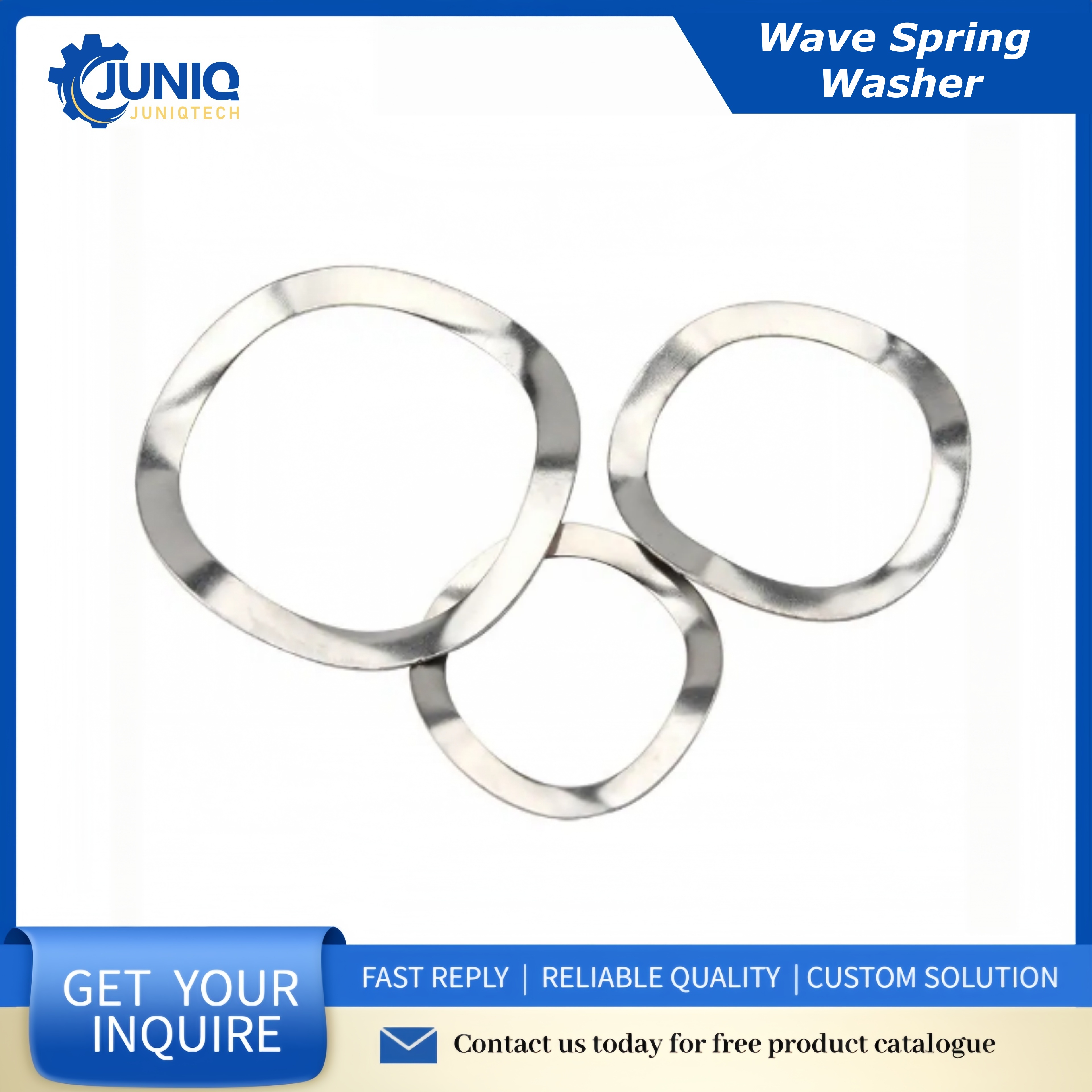
Wave Type Spring Washer
Looking for a Wave Type Spring Washer? Explore custom sizes, stainless steel and carbon steel options, technical specifications, and OEM supply. Send us your drawing for a quotation.
Features
- Wavy ring for stable axial preload
- Compact, saves axial space
- Absorbs vibration & reduces noise
- Compensates tolerance & thermal gaps
- Keeps tension to avoid loosening
- Multiple materials & custom sizes
Applications
Wave Type Spring Washer – Precision-Engineered for Reliable Axial Load and Vibration Control
Looking for a reliable Wave Type Spring Washer to maintain consistent axial force, compensate for assembly tolerances, and improve the performance of your mechanical assemblies? Our precision-engineered wave spring washers provide controlled spring deflection, compact axial space requirements, and dependable load support for a wide range of industrial applications.
Whether you need standard dimensions, customized spring loads, specific material grades, or bulk production for OEM projects, we can help you find the right wave washer solution for your application.
Key Product Information
-
Product Name: Wave Type Spring Washer
-
Product Type: Axial Spring Washer / Wave Washer
-
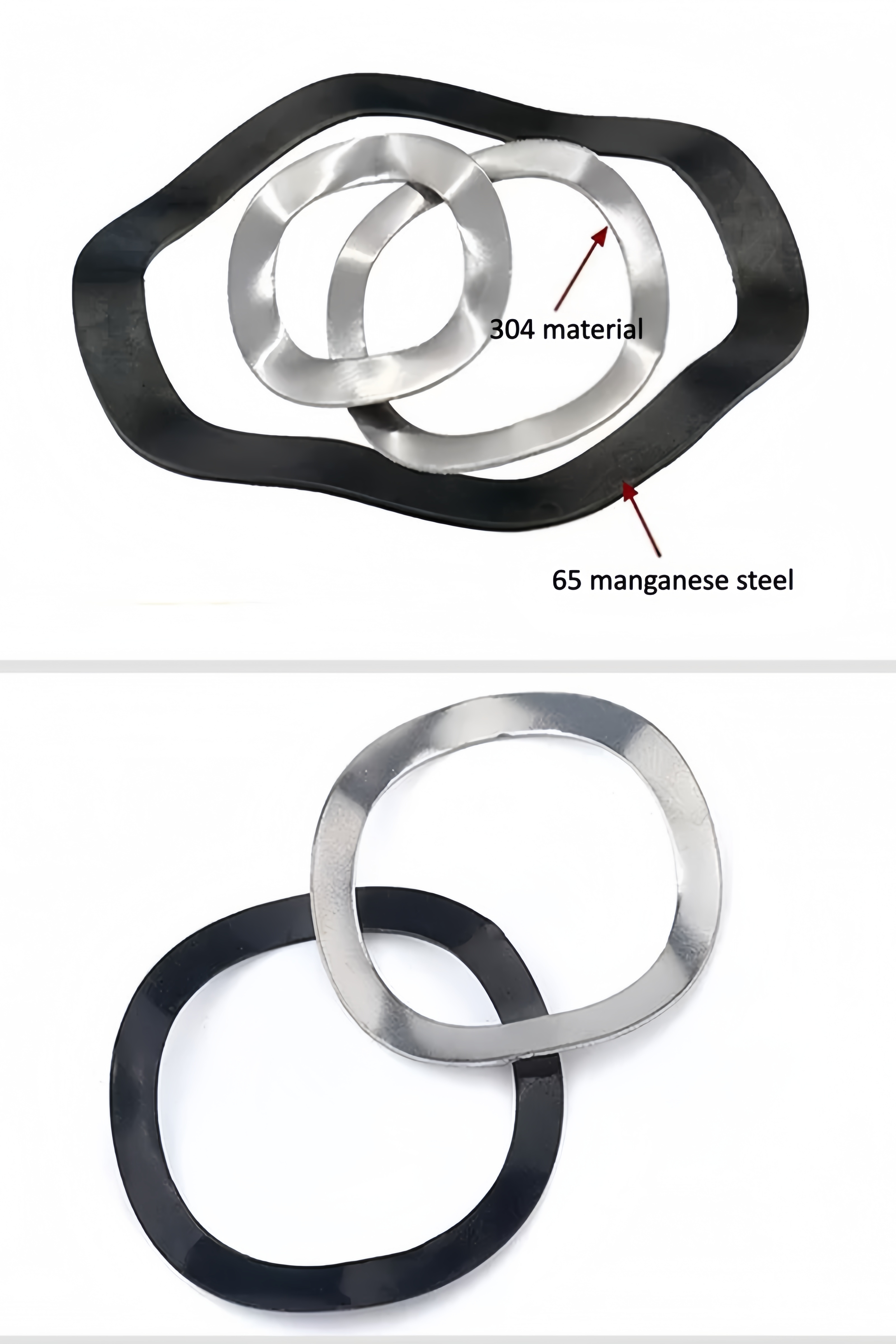
Material Options: Carbon Steel, Stainless Steel, and Other Spring-Grade Materials
-
Manufacturing Process: Precision Stamping, Forming, and Deburring
-
Surface Treatment: Zinc Plating, Black Oxide, Passivation, or Other Specified Finishes
-
Design Options: Single-Wave, Multi-Wave, and Custom Wave Profiles
-
Supply Options: Standard Sizes, Custom Dimensions, and OEM/ODM Production
-
Typical Supply Form: Individual Components for Industrial Assembly
Note: Actual material grades, finishes, dimensional tolerances, and load characteristics depend on the selected specification and confirmed order requirements.
👉Contact us today with your drawing, dimensions, or application requirements to request a quotation and technical support.
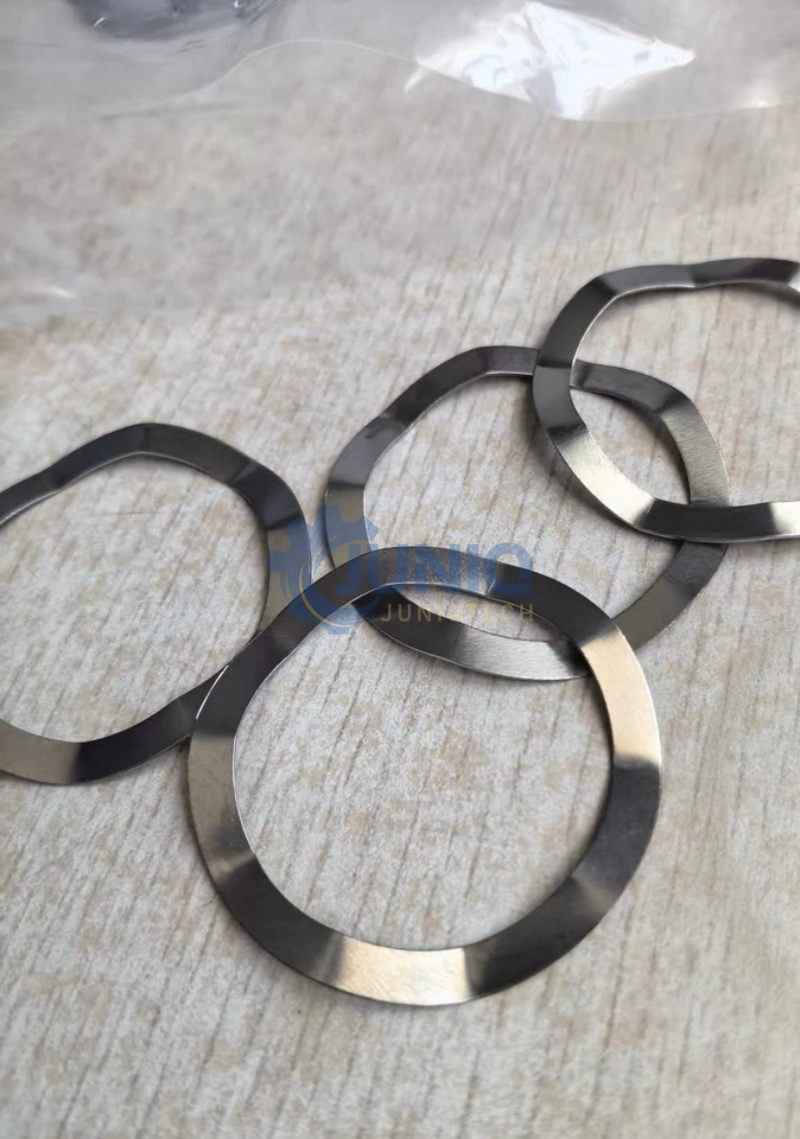 JUNIQ Wave Spring Washer
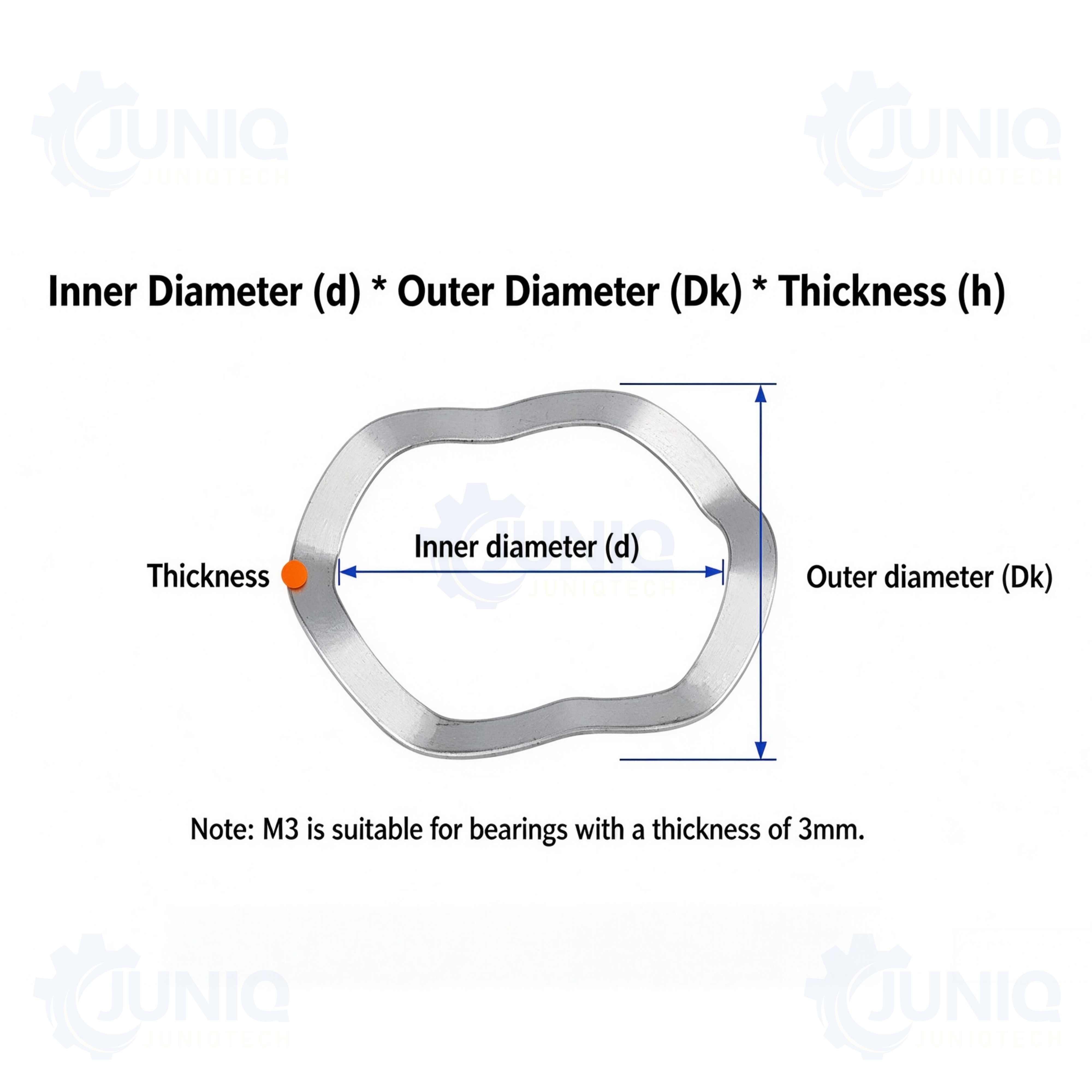
A Waveform Spring Washer is a precision-formed metal washer featuring a wave-shaped profile that generates an axial spring force when compressed. Unlike a flat washer, its undulating geometry allows it to deflect under load, helping compensate for dimensional variations, maintain contact pressure, and reduce axial clearance in mechanical assemblies.
Wave spring washers are commonly used where installation space is limited but controlled spring action is required. Depending on the design, material, thickness, and number of waves, the washer can be engineered to deliver different load-deflection characteristics.
Our Wave Type Spring Washers are available in various dimensions, material options, surface finishes, and customized configurations to meet specific assembly requirements.
Contact Us ↓↓↓
Email: info@juniqprecision.com
WhatsApp: +86 151 5226 0167
Website: www.juniqprecision.com
Wuxi Juniq Precision Industrial Co., Ltd.
Why Choose Our Metal Wave Gasket ?
Engineering note: A Wave Spring Washer is not automatically a substitute for a locking washer, a Belleville washer, or a dedicated anti-loosening device. Selection should be based on the actual mechanical function required.
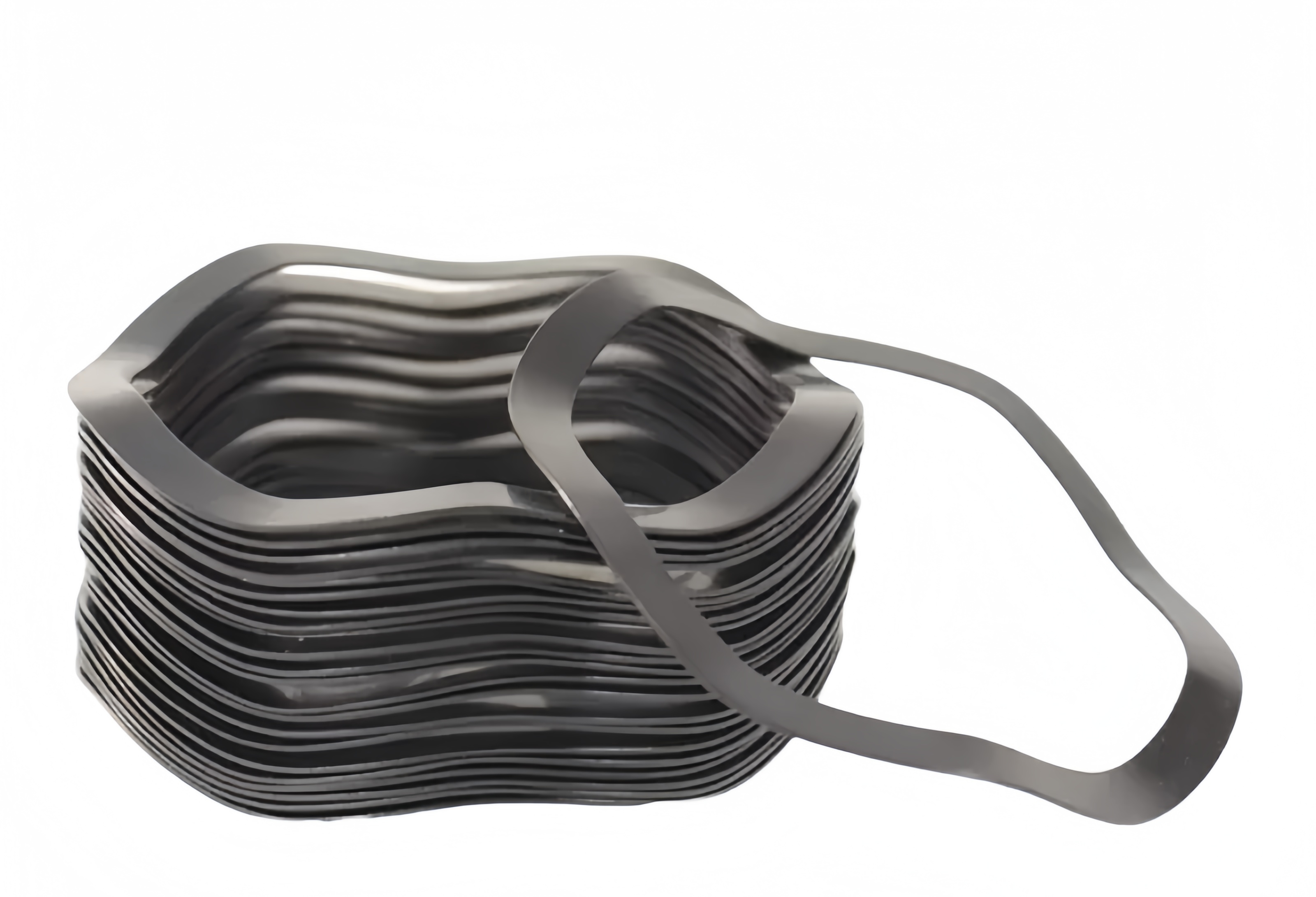
✅Improved Axial Contact
The spring action helps maintain contact between components and can reduce unwanted axial movement when correctly designed for the application.
✅Space-Saving Performance
Its low-profile construction offers an efficient alternative for applications that require axial compliance without a bulky spring mechanism.
✅Reduced Assembly Variation
By accommodating small axial tolerances, the washer can help improve assembly consistency and compensate for dimensional changes within its designed working range.
✅Flexible Engineering Options
Different materials, wave geometries, thicknesses, and heights allow engineers to select a washer that better matches the required force and available installation space.
✅Efficient High-Volume Supply
For repeat-production applications, defined specifications and inspection criteria help support consistent component quality and dependable replenishment.
✅Cost-Effective Component Integration
A properly selected wave washer can simplify compact spring-loading arrangements and help reduce the need for additional components in suitable designs.
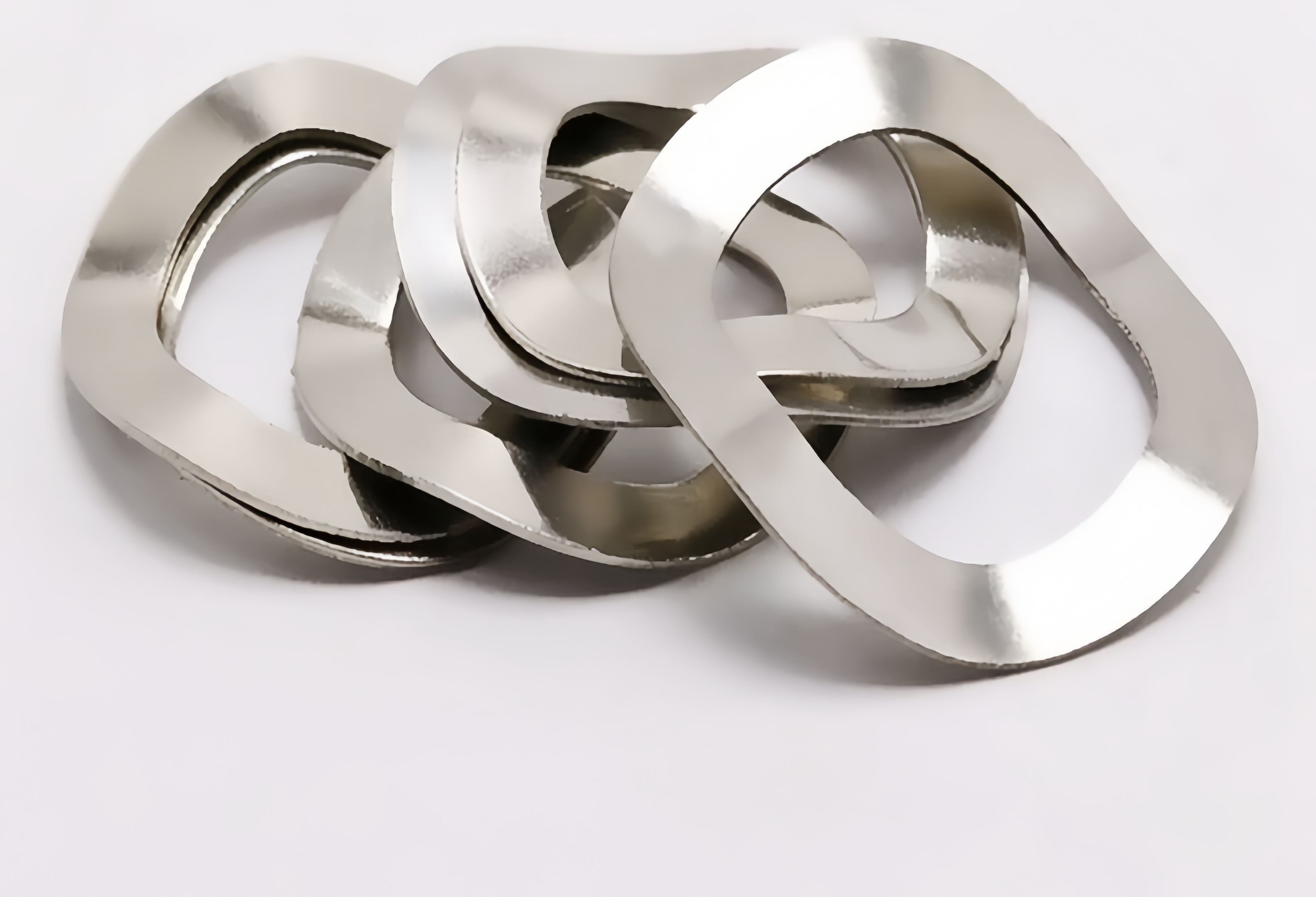
JUNIQ Precision Spring Lock Washer
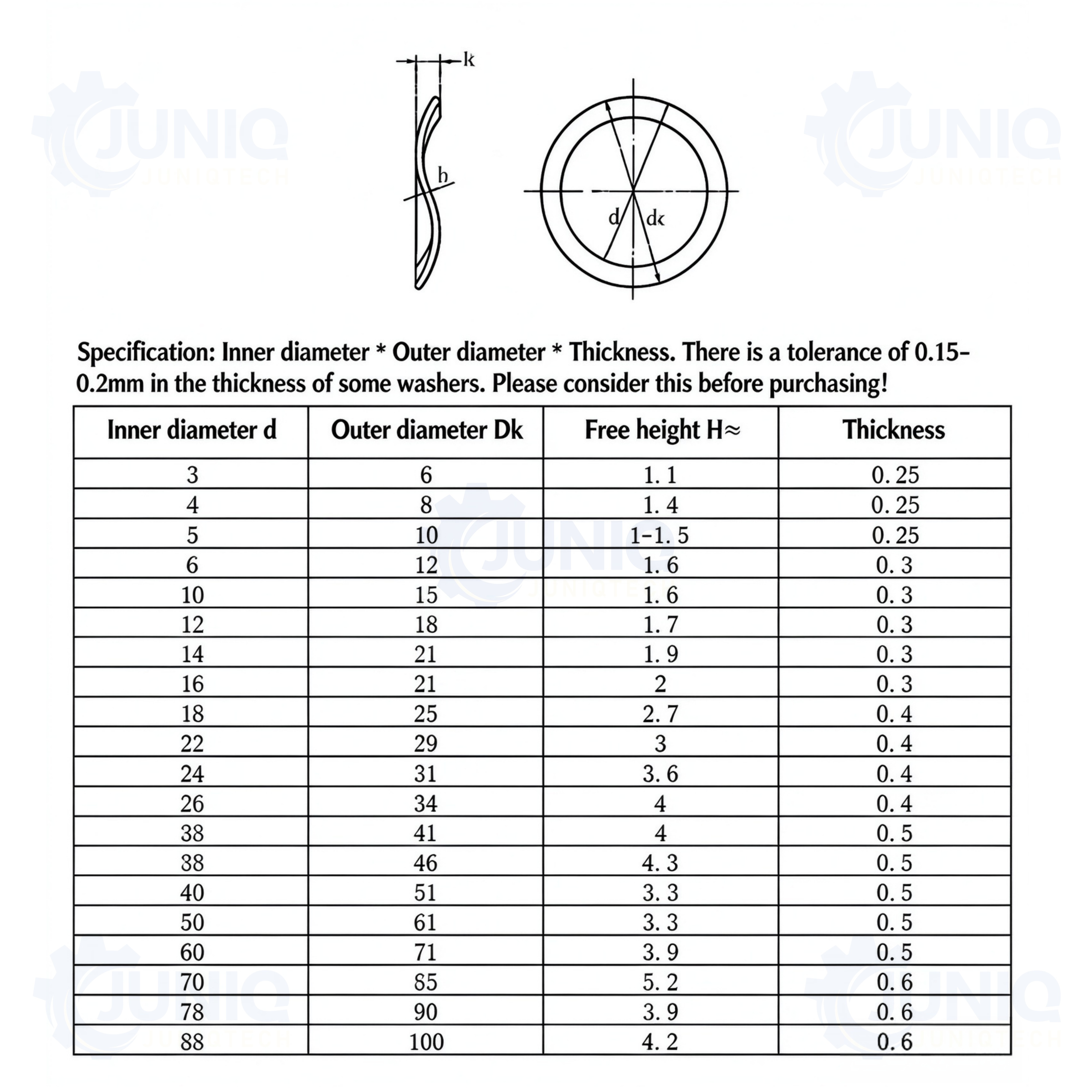
The following table provides a practical specification framework for product selection and RFQ preparation. These are available design parameters, not a claim that every size or material is stocked as standard.
| Specification | Available Options / Definition |
|---|---|
| Product Type | Single-wave or multi-wave spring washer |
| Inner Diameter (ID) | Customizable to shaft, fastener, or locating feature |
| Outer Diameter (OD) | Customizable to available seating surface |
| Material Thickness | Defined according to required spring load and deflection |
| Free Height | Uncompressed overall height of the formed washer |
| Wave Height | Profile height determined by the selected geometry |
| Number of Waves | Single-wave, two-wave, three-wave, or other engineered profiles |
| Material | Carbon spring steel, stainless steel, or other approved spring materials |
| Stainless Steel Grades | Examples include 301 and 304; other grades subject to requirements and manufacturability |
| Surface Finish | Zinc plating, black oxide, passivation, or other agreed treatment |
| Load Requirement | Specified load at a defined working deflection |
| Dimensional Tolerance | Defined by drawing, applicable standard, or agreed inspection plan |
| Operating Environment | Evaluated according to material, finish, temperature, and load conditions |
| Production Method | Stamping and forming; other processes subject to geometry and order requirements |
| Quality Inspection | Dimensional inspection, visual inspection, and agreed functional or load testing |
| Customization | Drawing-based dimensions, materials, finishes, and performance targets |
Example RFQ Specification
For a more accurate quotation, a customer can submit a specification such as:
-
√ Inner Diameter (ID): 10.0 mm
-
√ Outer Diameter (OD): 20.0 mm
-
√ Material Thickness: 0.50 mm
-
√ Free Height: 1.20 mm
-
√ Material: Stainless Steel 301
-
√ Surface Finish: Passivated
-
√ Load Requirement: Specify the required force at a defined compressed height
-
√ Quantity: 10,000 pieces
Important: The values above are an illustrative RFQ example only, not a verified standard product size or tested performance specification. Final dimensions, spring force, tolerances, and material suitability must be confirmed through engineering review and production validation.
Need a specific size or spring load? Send us your drawing or target dimensions, and we can evaluate the requirements for a suitable Wave Type Spring Washer solution.
Where Wave Spring Washers Are Used?
✅Industrial Machinery and Equipment
Used in selected mechanical assemblies to compensate for axial tolerances and maintain spring-loaded contact between components.
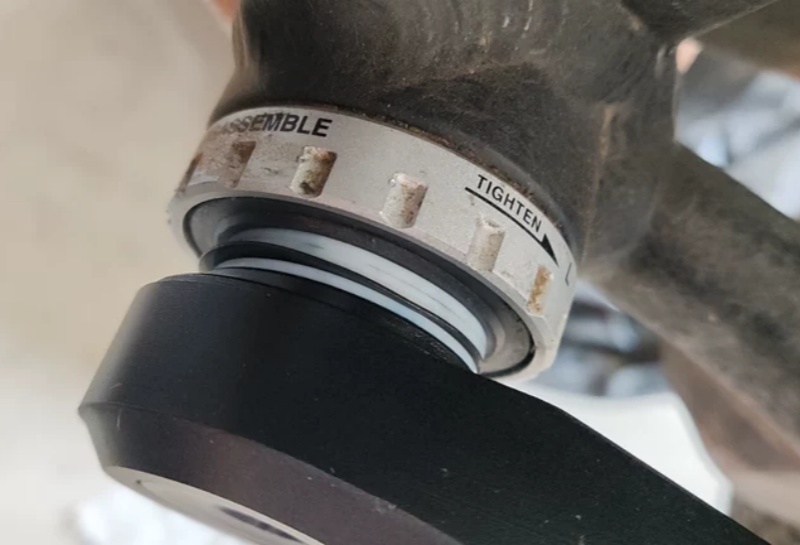
✅Automotive and Transportation Components
Suitable for engineered assemblies requiring compact axial spring action, subject to automotive material, durability, and validation requirements.
✅Electrical and Electronic Equipment
Used in selected switches, connectors, housings, and other assemblies where controlled axial contact or tolerance compensation is needed.
✅Pumps, Valves, and Fluid Equipment
Can provide axial compliance in appropriate assemblies where the material, temperature, pressure environment, and spring characteristics meet the design requirements.
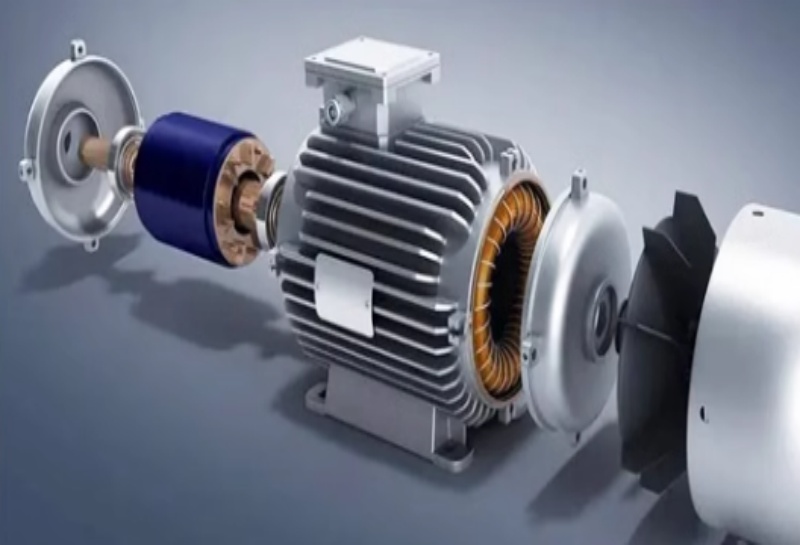
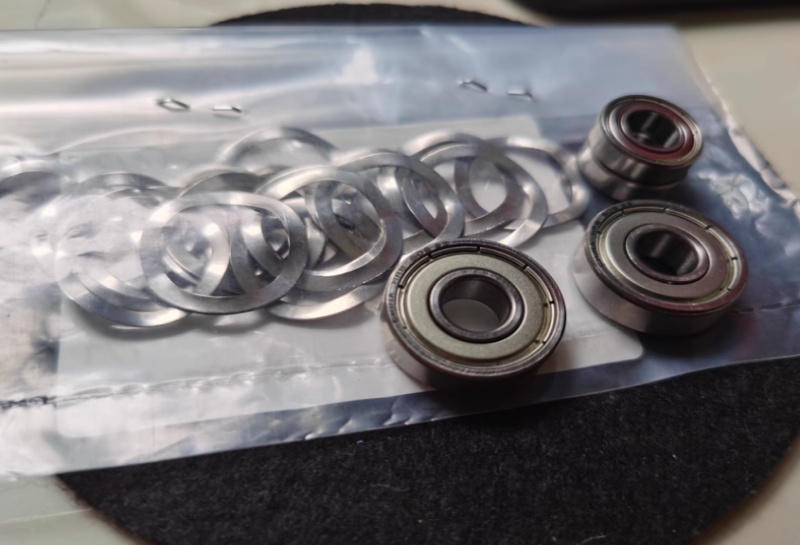
✅Bearings and Rotating Assemblies
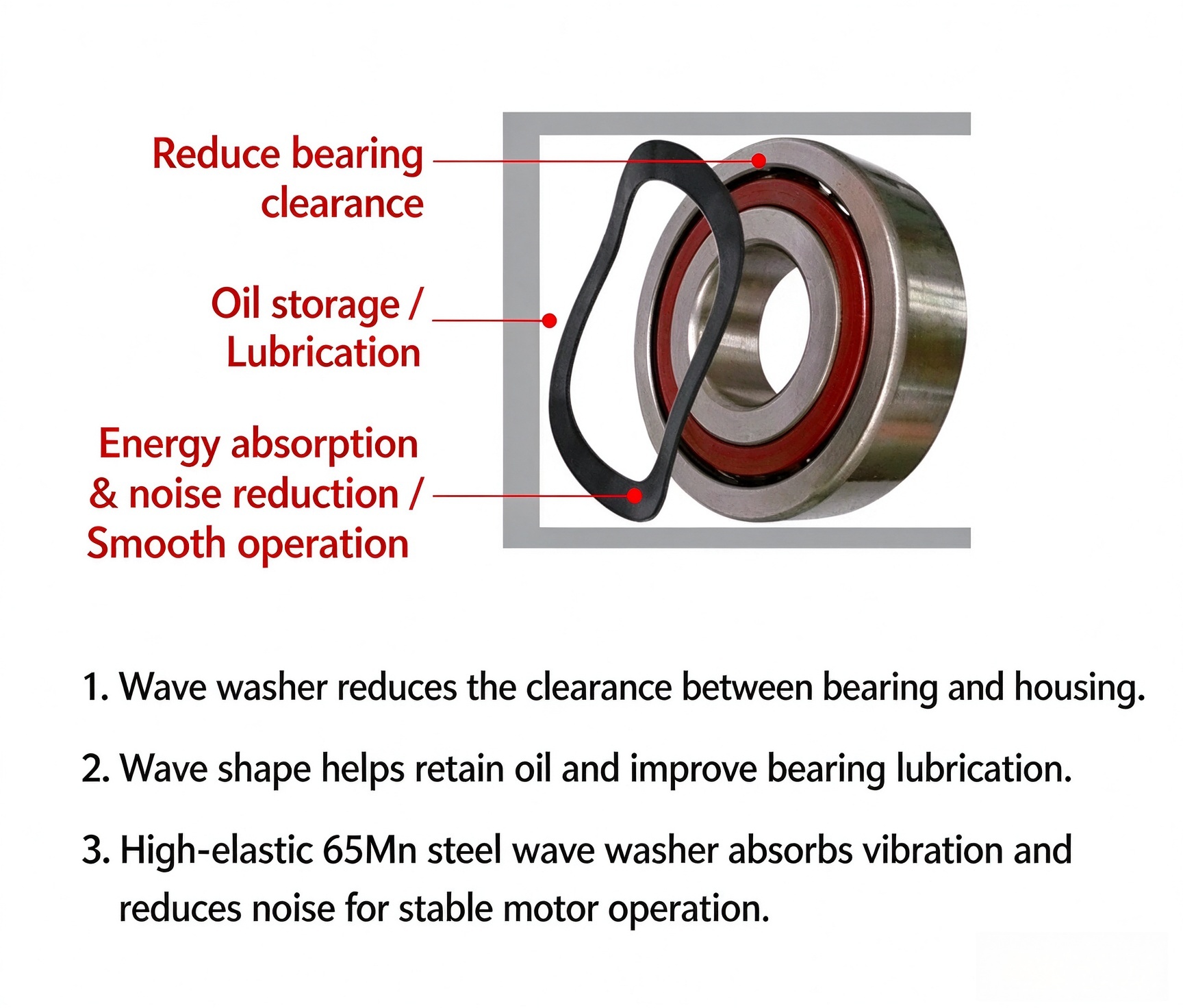
Used in selected designs to apply axial preload or accommodate small axial variations. Bearing-specific load and speed requirements must be evaluated before selection.
✅Industrial Automation
Suitable for compact mechanisms, actuators, and precision equipment that require controlled spring action within a limited installation space.
✅OEM Manufacturing and Component Assembly
An effective option for manufacturers seeking a repeatable, drawing-controlled spring washer component for series production.
How to Select the Right Wave Type Spring Washer
Choosing the correct washer involves more than matching the inner and outer diameters. The spring force, working deflection, installation space, and operating environment are equally important.
Step 1: Confirm the Installation Dimensions
Determine the required inner diameter, outer diameter, available axial height, and seating surface dimensions.
Step 2: Define the Required Spring Force
Specify the target force at the actual working deflection or compressed height. A washer with the correct dimensions may still be unsuitable if its spring force is too high or too low.
Step 3: Select the Material
Consider fatigue requirements, corrosion exposure, operating temperature, and elastic recovery.
Step 4: Confirm the Surface Finish
Choose a finish compatible with the base material, dimensional tolerances, and working environment.
Step 5: Evaluate the Load-Deflection Curve
For critical applications, request or establish load-deflection data at defined test conditions. Confirm that the intended working range avoids excessive deformation or permanent set.
Step 6: Validate the Assembly
Check the washer in the actual assembly or a representative test fixture, especially where preload, vibration, fatigue, or safety requirements are important.
Not sure which specification is suitable? Share your assembly drawing and operating conditions for a more targeted product recommendation.
Installation and Usage Instructions
How to Use This Spring Washer?
Correct installation is essential for obtaining the intended spring performance.
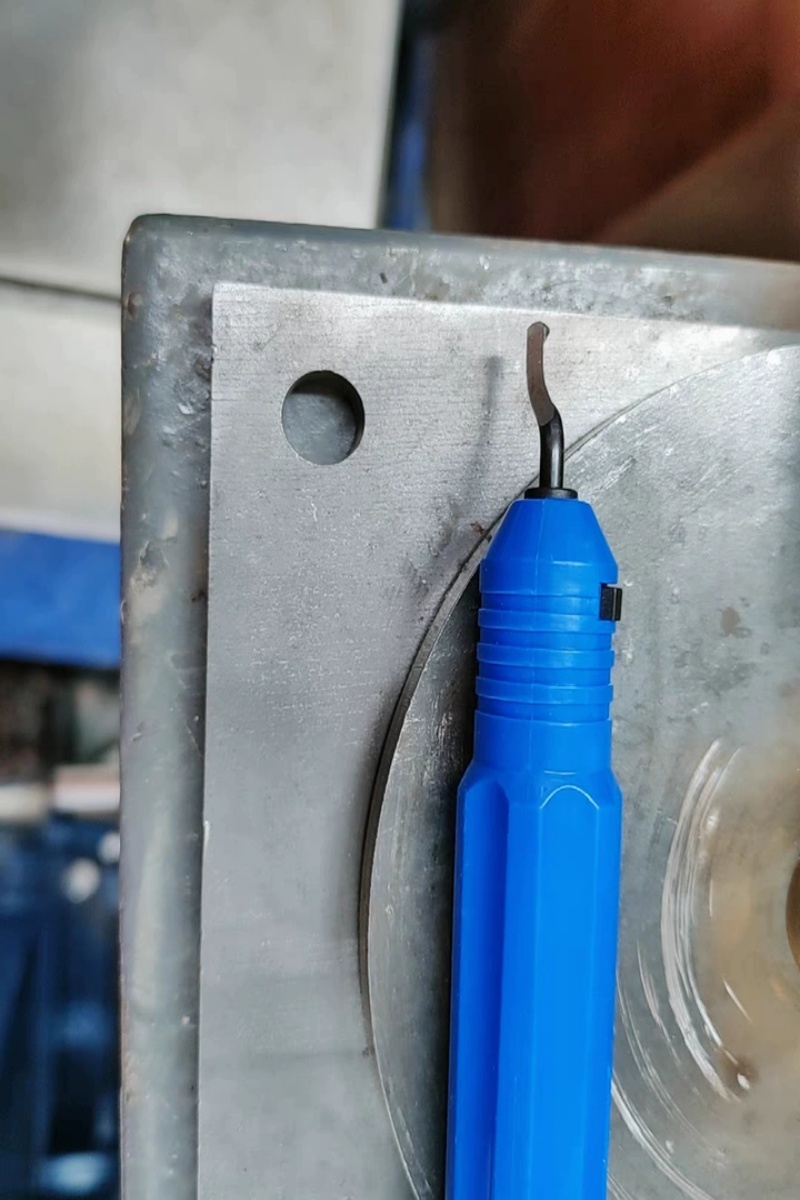
Inspect the component: Check the washer for visible cracks, burrs, deformation, corrosion, or other damage before installation.
-
Clean the seating surfaces: Remove debris, oil, and contamination where required by the assembly specification.
-
Check the orientation: Install the washer according to the approved drawing or assembly instructions. Orientation may matter for certain geometries.
-
Position the washer correctly: Ensure that the washer sits evenly against the intended mating surface and is properly centered.
-
Apply the specified compression: Assemble the components to the designed working height or load. Avoid compressing the washer beyond its validated working range.
-
Verify assembly performance: Check axial clearance, contact pressure, or preload where these parameters are critical.
-
Inspect during maintenance: Replace components showing permanent deformation, cracking, corrosion, or loss of spring performance.
Important: Wave Type Spring Washers provide elastic axial loading, but they should not be assumed to prevent threaded fasteners from loosening under all vibration conditions. If fastener retention is the primary objective, evaluate a dedicated locking solution or an appropriate validated fastening design.
Manufacturing and Quality Control
Our Manufacturing and QC Process
For industrial buyers, consistent dimensions and predictable spring behavior are essential to reliable assembly performance.
Inspect the component: Check the washer for visible cracks, burrs, deformation, corrosion, or other damage before installation.
-
Clean the seating surfaces: Remove debris, oil, and contamination where required by the assembly specification.
-
Check the orientation: Install the washer according to the approved drawing or assembly instructions. Orientation may matter for certain geometries.
-
Position the washer correctly: Ensure that the washer sits evenly against the intended mating surface and is properly centered.
-
Apply the specified compression: Assemble the components to the designed working height or load. Avoid compressing the washer beyond its validated working range.
-
Verify assembly performance: Check axial clearance, contact pressure, or preload where these parameters are critical.
-
Inspect during maintenance: Replace components showing permanent deformation, cracking, corrosion, or loss of spring performance.
Important: Wave Type Spring Washers provide elastic axial loading, but they should not be assumed to prevent threaded fasteners from loosening under all vibration conditions. If fastener retention is the primary objective, evaluate a dedicated locking solution or an appropriate validated fastening design.
-
Other Products of JUNIQ pRECISION
Step 1: Confirm the Installation Dimensions
Determine the required inner diameter, outer diameter, available axial height, and seating surface dimensions.
Step 2: Define the Required Spring Force
Specify the target force at the actual working deflection or compressed height. A washer with the correct dimensions may still be unsuitable if its spring force is too high or too low.
Step 3: Select the Material
Consider fatigue requirements, corrosion exposure, operating temperature, and elastic recovery.
Step 4: Confirm the Surface Finish
Choose a finish compatible with the base material, dimensional tolerances, and working environment.
Step 5: Evaluate the Load-Deflection Curve
For critical applications, request or establish load-deflection data at defined test conditions. Confirm that the intended working range avoids excessive deformation or permanent set.
Step 6: Validate the Assembly
Check the washer in the actual assembly or a representative test fixture, especially where preload, vibration, fatigue, or safety requirements are important.
Not sure which specification is suitable? Share your assembly drawing and operating conditions for a more targeted product recommendation.
How to Use This Spring Washer?
Correct installation is essential for obtaining the intended spring performance.
Inspect the component: Check the washer for visible cracks, burrs, deformation, corrosion, or other damage before installation.
-
Clean the seating surfaces: Remove debris, oil, and contamination where required by the assembly specification.
-
Check the orientation: Install the washer according to the approved drawing or assembly instructions. Orientation may matter for certain geometries.
-
Position the washer correctly: Ensure that the washer sits evenly against the intended mating surface and is properly centered.
-
Apply the specified compression: Assemble the components to the designed working height or load. Avoid compressing the washer beyond its validated working range.
-
Verify assembly performance: Check axial clearance, contact pressure, or preload where these parameters are critical.
-
Inspect during maintenance: Replace components showing permanent deformation, cracking, corrosion, or loss of spring performance.
Important: Wave Type Spring Washers provide elastic axial loading, but they should not be assumed to prevent threaded fasteners from loosening under all vibration conditions. If fastener retention is the primary objective, evaluate a dedicated locking solution or an appropriate validated fastening design.
Our Manufacturing and QC Process
For industrial buyers, consistent dimensions and predictable spring behavior are essential to reliable assembly performance.
Inspect the component: Check the washer for visible cracks, burrs, deformation, corrosion, or other damage before installation.
-
Clean the seating surfaces: Remove debris, oil, and contamination where required by the assembly specification.
-
Check the orientation: Install the washer according to the approved drawing or assembly instructions. Orientation may matter for certain geometries.
-
Position the washer correctly: Ensure that the washer sits evenly against the intended mating surface and is properly centered.
-
Apply the specified compression: Assemble the components to the designed working height or load. Avoid compressing the washer beyond its validated working range.
-
Verify assembly performance: Check axial clearance, contact pressure, or preload where these parameters are critical.
-
Inspect during maintenance: Replace components showing permanent deformation, cracking, corrosion, or loss of spring performance.
Important: Wave Type Spring Washers provide elastic axial loading, but they should not be assumed to prevent threaded fasteners from loosening under all vibration conditions. If fastener retention is the primary objective, evaluate a dedicated locking solution or an appropriate validated fastening design.
Other Products of JUNIQ pRECISION
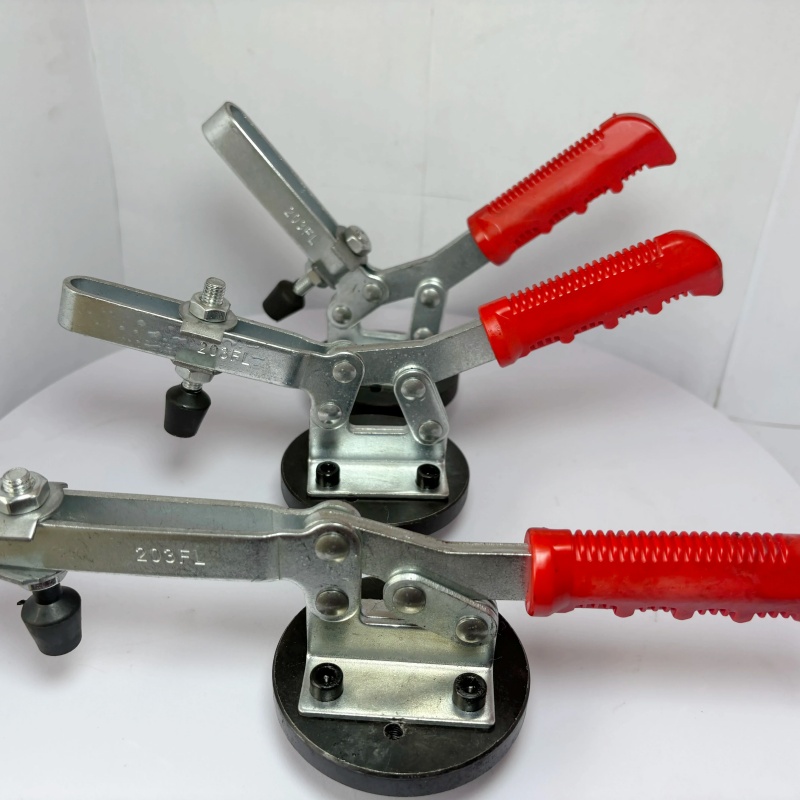
Tailored Fasteners Solutions
Specializing in custom fasteners, we provide customers with integrated fastener solutions ranging from demand analysis, product design and development, manufacturing to quality verification.
Customization Options
- ✓Grade
- ✓Size
- ✓Material
- ✓LOGO
- ✓Packaging
OEM / ODM Services
- ✓ Private label and branding
- ✓ Custom packaging design
- ✓ Performance formulation adjustments
- ✓ Sample and trial order support
- ✓ Competitive MOQ negotiation
How are Our Spring Washer Shipped?
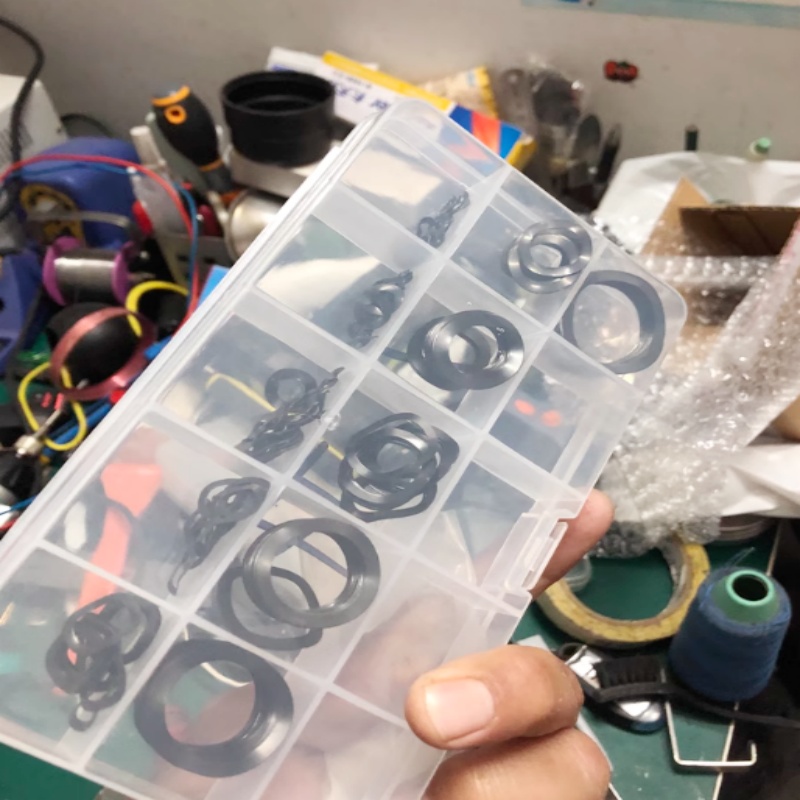
We support packaging arrangements designed to protect wave washers from deformation, contamination, and transit damage.
Standard Packaging Options
-
✓Bulk packaging for suitable high-volume industrial orders.
-
✓Polybags or inner bags with cartons for organized component handling.
-
✓Separated or compartmentalized packaging where required to reduce mixing or surface damage.
-
✓Customer-specified labels, part numbers, batch numbers, and quantity identification.
-
✓Custom packaging for OEM production and distribution requirements.
Shipping Support
✓Shipping arrangements can be selected according to order quantity, destination, delivery schedule, and customer preference.
✓Available arrangements may include express courier, air freight, and sea freight, subject to the shipment and destination requirements.
✓Before dispatch, the order specification, quantity, packaging requirements, and applicable shipping documentation should be confirmed.
Planning a bulk purchase? Contact us with your target quantity and delivery destination to discuss a suitable packaging and shipping arrangement.
Inquiry & Specification
Contact our sales team with your required specifications including size, material and quantity. We will provide a detailed quotation within 24 hours.
Packaging
Standard industrial packaging ensures safe transit. Custom packaging and labeling available for OEM customers. Bulk orders shipped on pallets with protective wrapping.
Delivery & Lead Time
Standard production lead times range from 7–15 days depending on order quantity and specifications. Express shipping options available for urgent requirements.
Why Choose Us as Your Crinkle Wave Washer Supplier?
What Can We Help With?
1.Application-Oriented Product Selection
We focus on matching dimensions, materials, and spring characteristics to the actual application rather than recommending a size based on dimensions alone.
2.Custom Manufacturing Support
Share a technical drawing, sample, or defined specification to discuss custom dimensions, wave geometry, and material options.
3.Clear Technical Communication
We can work with drawing-based requirements and agreed inspection criteria to help reduce misunderstandings during sourcing and production.
4.Flexible Order Specifications
Product configuration, packaging, documentation, and order quantities can be discussed according to project needs and manufacturing feasibility.
Our goal is to help you source a Wave Type Spring Washer that fits your design requirements and purchasing plan.
- 👉 Click here to send an inquiry
📧 Email: info@juniqprecision.com
📞 Phone/WhatsApp: +86-151-5226-0167
Request Your Quote Today
Looking for a reliable Wave Type Spring Washer supplier? Contact us today to discuss your project and move one step closer to the right spring washer solution.
FAQ
Frequently Asked Questions
Need a Suitable Solution?
Send us your requirements and our engineers will recommend the right product for your needs.